TB-500
- Ex Tax: $162.99
- Product Code: M00000024
- Availability: In Stock
TB-500 CharacteristicsMolecular FormulaC212H350N56O78SCASNumber77591-33-4Molar Mass4963.4 g/molAmino Acid SequenceSer-Asp-Lys-Pro-Asp-Met-Ala-Glu-Ile-Glu-Lys-Phe-Asp-Lys-Ser-Lys-Leu-Lys-Lys-Thr-Glu-Thr-Gln-Glu-Lys-Asn-Pro-Leu-Pro-Ser-Lys-Glu-Thr-Ile-Glu-Gln-Glu-Lys-Gln-Ala-Gly-Glu-SerSynonymsThymosi..
Available Options
TB-500 Characteristics
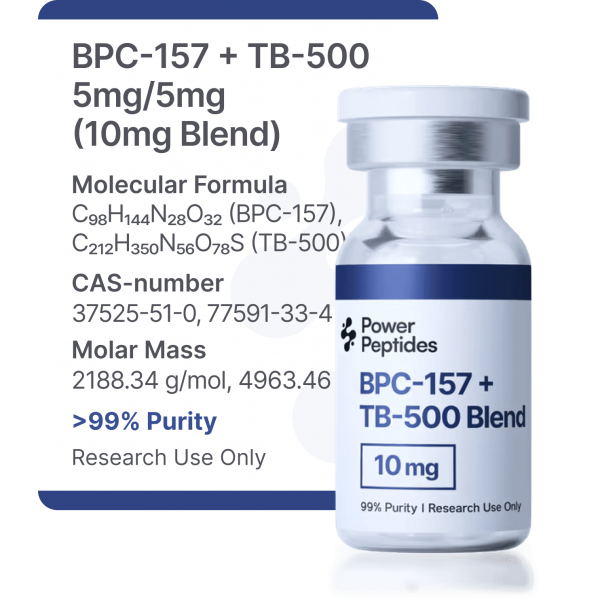
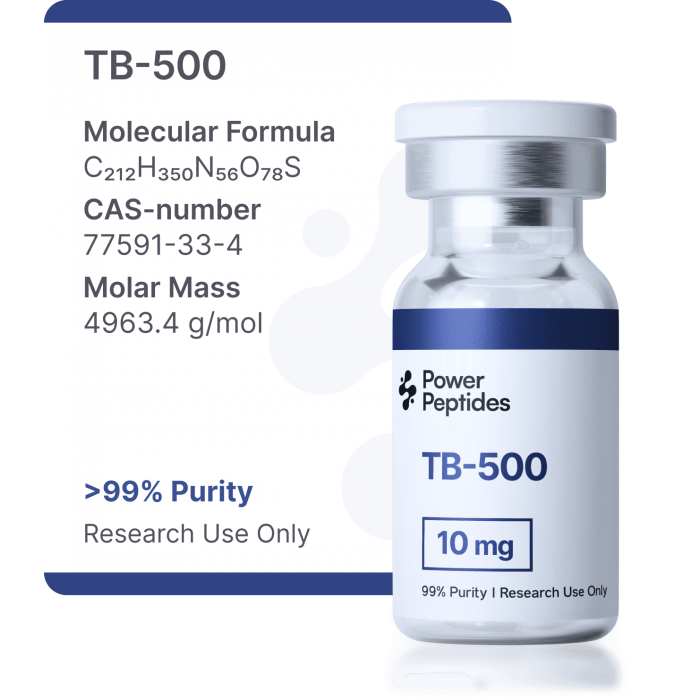
Molecular Formula | C212H350N56O78S |
CASNumber | 77591-33-4 |
Molar Mass | 4963.4 g/mol |
Amino Acid Sequence | Ser-Asp-Lys-Pro-Asp-Met-Ala-Glu-Ile-Glu-Lys-Phe-Asp-Lys-Ser-Lys-Leu-Lys-Lys-Thr-Glu-Thr-Gln-Glu-Lys-Asn-Pro-Leu-Pro-Ser-Lys-Glu-Thr-Ile-Glu-Gln-Glu-Lys-Gln-Ala-Gly-Glu-Ser |
Synonyms | Thymosin Beta-4, Tβ4, TMSB4X, PTMB4, TB500 |
Solubility | Water-soluble |
Organoleptic Profile | White to off-white powder |
Composition | Lyophilized powder - requires reconstitution |
What is TB-500 and How does it work?
TB-500 is a synthetic version of Thymosin Beta-4 (Tβ4), a naturally occurring 43-amino acid peptide conserved across species and expressed in various tissues. Research has shown that TB-500 interacts with actin, a protein crucial for cell migration and tissue remodeling. This interaction promotes actin polymerization, which is essential for angiogenesis and cell migration to injury sites.
Studies have demonstrated that TB-500 modulates the expression of genes involved in inflammation, wound healing, and tissue regeneration. For instance, it has been found to upregulate matrix metalloproteinases (MMPs), enzymes key to extracellular matrix remodeling and wound healing.
Summary
TB-500, a synthetic version of the naturally occurring peptide Thymosin Beta-4, has shown remarkable potential in various research settings. The peptide has been extensively studied for its ability to promote wound healing, reduce inflammation, stimulate hair growth, provide neuroprotection, and offer cardioprotection. TB-500 exerts its effects through multiple mechanisms, including its interaction with actin, modulation of gene expression, and regulation of inflammatory pathways.
As a research tool, TB-500 offers a valuable opportunity to explore the complex mechanisms underlying wound healing, inflammation, and tissue regeneration. The insights gained from these studies may pave the way for the development of novel therapeutic strategies for a wide range of conditions, from skin wounds and hair loss disorders to neurodegenerative diseases and cardiovascular disorders.
Resource
All products on this site are for research and development use only. Products are not for human consumption of any kind. The statements made on this website have not been evaluated by the US Food and Drug Administration....Related Products